
3 minutes read
'10-80-10' survival principle that could determine whether you live or die in a nuclear attack

A survival principle known as the ’10-80-10’ rule could come to the fore in the event of a global nuclear war.
Let’s hope we never have to find out whether this particular theory is true.
The threat of nuclear war has been around for a while
With growing unrest around the world, largely driven by US President Donald Trump and his various campaigns, the threat of nuclear war is a real one.
Russia, China, and the US are all involved to certain degrees, as are other countries such as Israel and Iran, too.
For most of us, we can only hope that everyone keeps their head and nobody pushes their big red button, because if that happens, we are all in a lot of trouble.
But what would actually happen, and who would make it out alive?
Well, there is one theory that suggests a way that most people would react, and it’s known as the ’10-80-10’ theory.
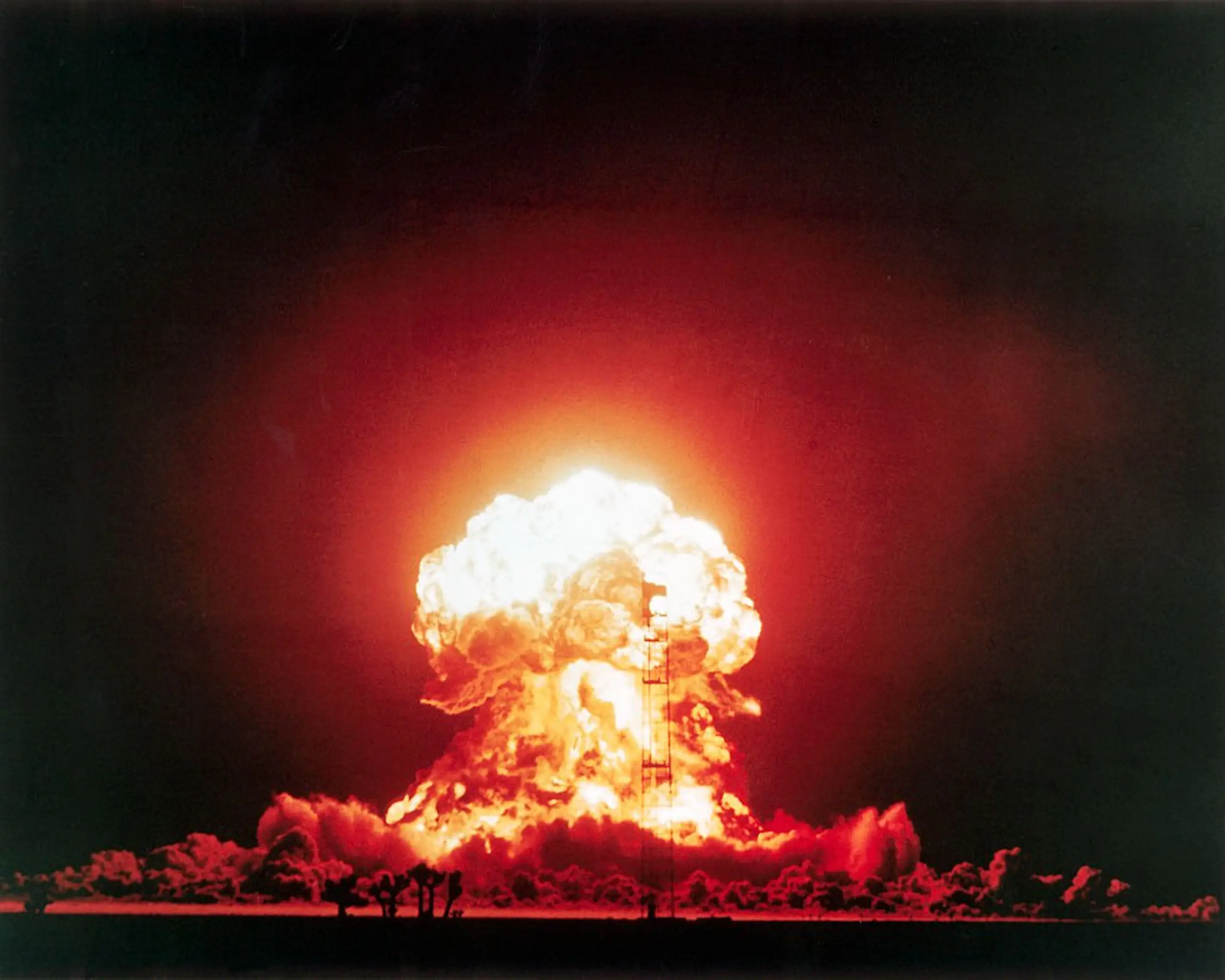
What is the ’10-80-10’ principle?
This is a psychological theory about how people would react in a disaster scenario.
After all, we all respond to a crisis differently.
However, there are three broad camps - those who anticipate the crisis and therefore react, those who are bewildered and confused by the crisis and therefore struggle, and those who simply give up in the face of the crisis, accepting their fate.
This theory was put forward by John Leach, considered an expert in survival psychology, and concentrated on how we react to disaster scenarios.
According to Leach - as reported by Psychology Today - there are three mindsets in the face of a crisis or disaster.
The best one to have is the first 10.
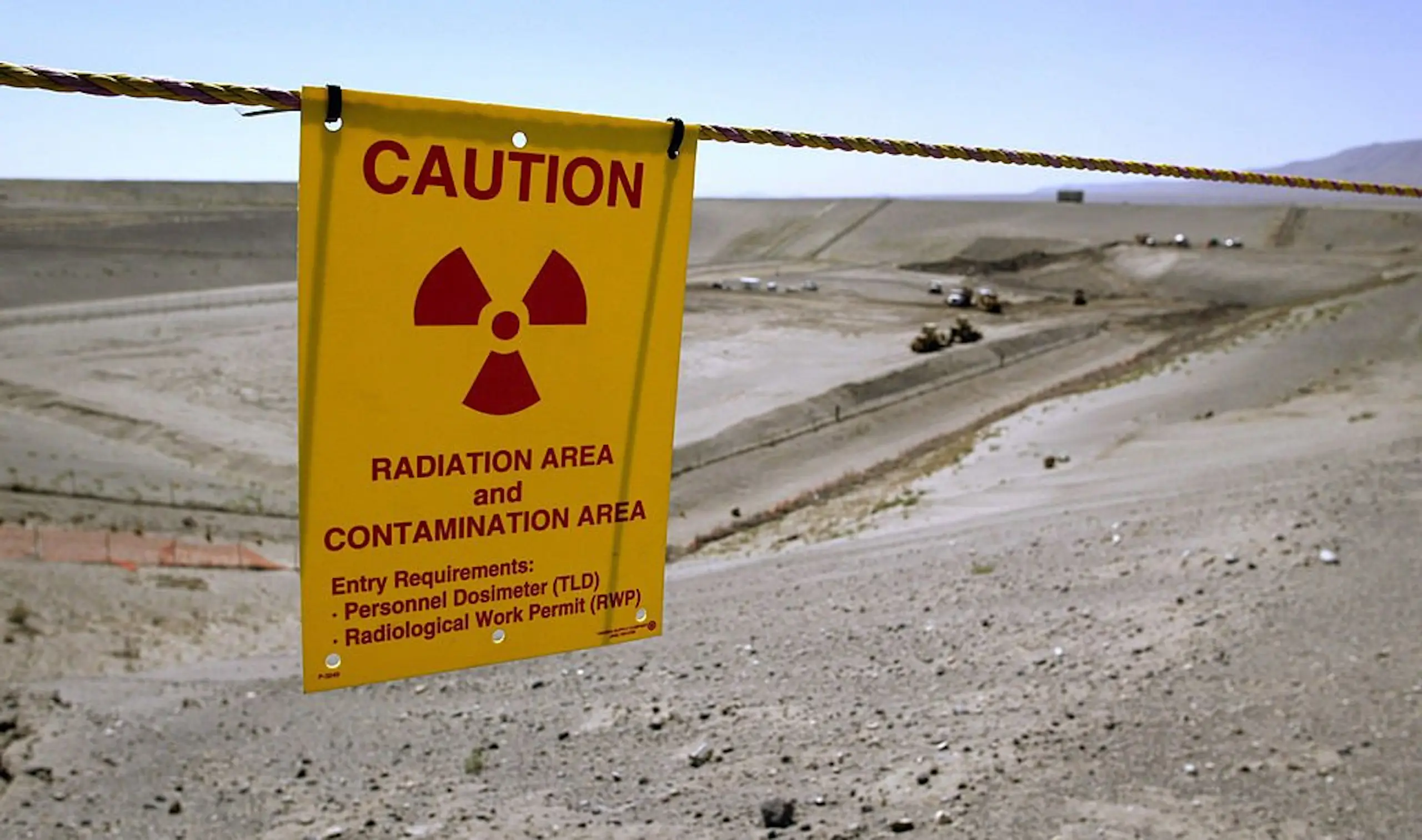
Which camp do you fall into?
That’s the 10 percent of people who have planned and accepted that disaster is inevitable, therefore anticipating it and remaining calm in the face of it, allowing them to refrain from action until thought has taken place.
Then, they can react in a measured fashion and take charge of their own fate.
What’s more, they know that sometimes acting for the sake of acting isn’t the best course of action.
Next up, the 80 percent of people - and it’s not good news for them.
According to Leach, most people will be ‘stunned and bewildered’ and therefore act irrationally.
That means that we’ll give in to panic, possibly act with impaired judgement, and therefore be more likely to take the wrong course of action.
Then, there are 10 percent of people for whom it will all simply be too much.
They’ll spot the disaster taking place and simply give up.
That last group will do the worst thing the most part of the time.
So, which one are you?